Video podcast editing
Multicam, cut speaker-aware, color and sound matched across every angle.
For podcasters in the US, Canada & UK
One recording becomes a week of content — produced, packaged and published as one system.
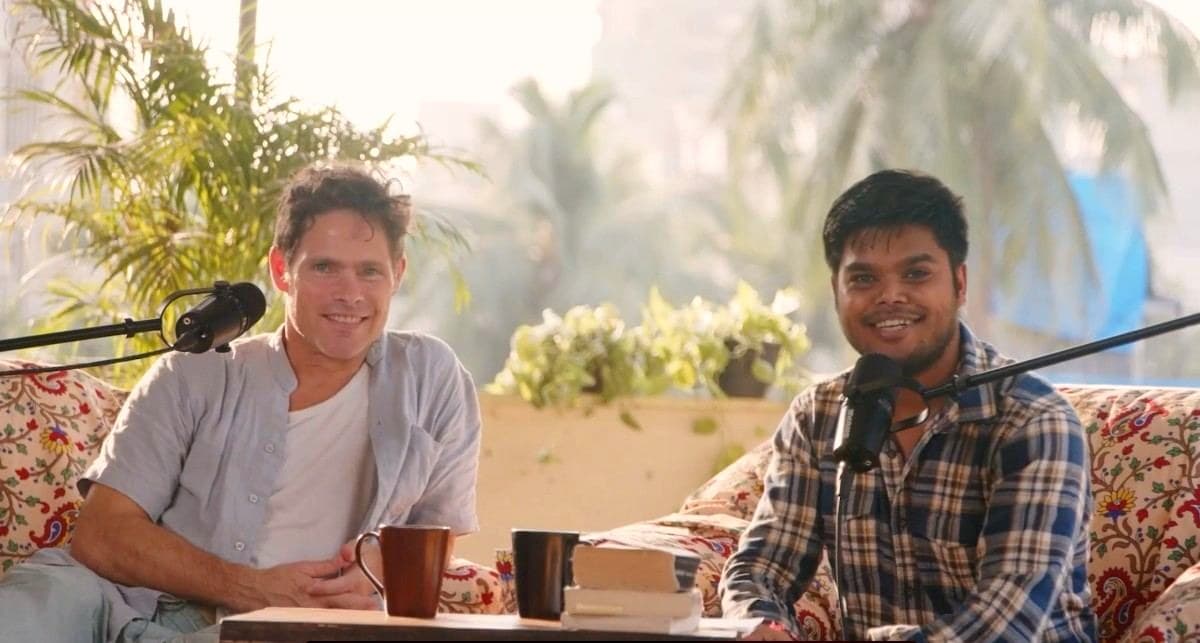
Most podcast companies produce episodes. Cocoma builds the operating system behind a successful podcast.
Cocoma Digital, studio-wide, across seven years of channel and catalog work:
Almost every show that stalls has the same shape of problem. The conversation is good, the guests are good, and nothing downstream of the record button is built to keep up. Episodes ship late or not at all, clips get made when someone has a spare afternoon, thumbnails are decided by whoever is nearest the file, and the back catalog sits untouched. None of that is a talent problem. It’s a capacity and systems problem, and it compounds quietly until the show feels like a cost center.
One 60-minute recording4–8 hrs of post-production behind it
Cutting, cleaning, color, captions, clip selection, thumbnails, notes, uploads. Our own measured range.
Without a system
1 episode, often late
Run as a system
60+ pieces, every week
The method
Four stages, run in order and then run again every month. Align sets the target, Engineer builds the craft, Amplify multiplies the output, Optimize decides what changes next.

Decide what the show is actually for before a single cut is made.
Most shows are formatted before anyone decides what they’re for, which is why they drift. Align happens once, before production, and it makes every later decision cheap: when the goal, the audience and the pillars are written down, choosing a title or cutting a segment stops being a matter of opinion.
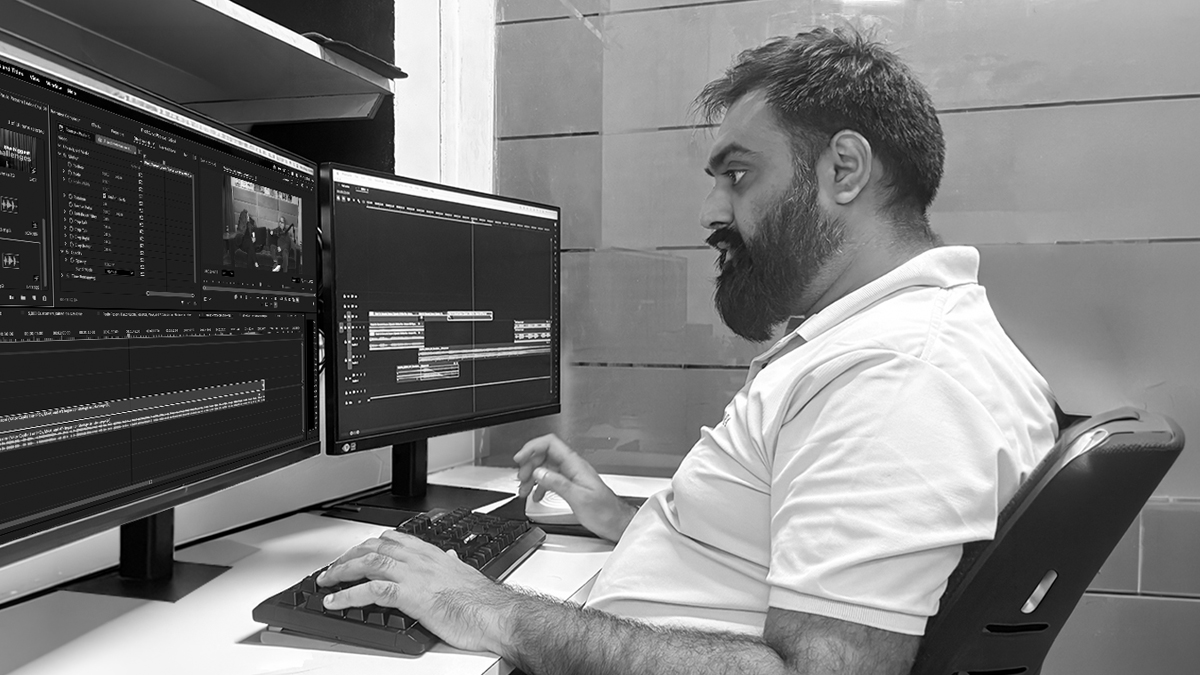
Build the craft layer that decides whether anyone watches.
Two shows can record identical conversations and perform completely differently, and the gap is almost always craft. Packaging decides whether anyone clicks; the first thirty seconds decide whether they stay; pacing decides whether they finish. Engineer turns those into repeatable systems, so quality stops depending on which editor picked up the file.
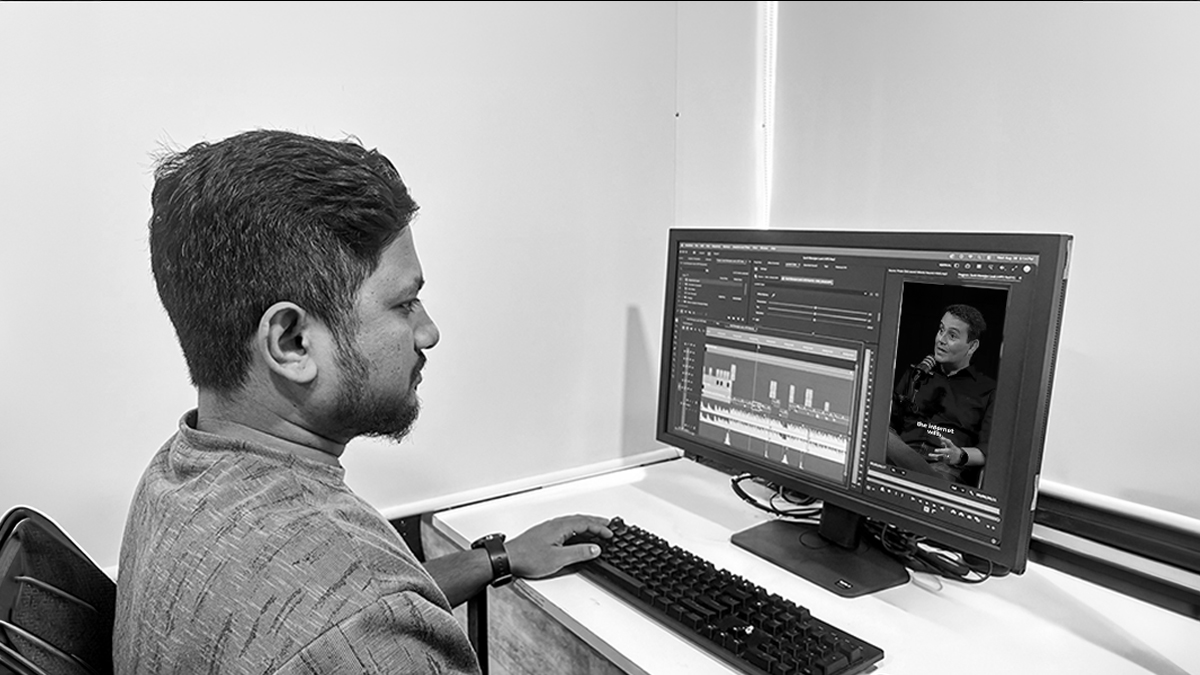
One recording becomes everything the week needs.
A single recording contains far more usable content than one episode. Amplify is the production factory that extracts it: the full episode, roughly a dozen vertical clips cut and captioned for the platform each one is going to, plus notes, transcript, chapters and a newsletter draft — all from one session, on one calendar.
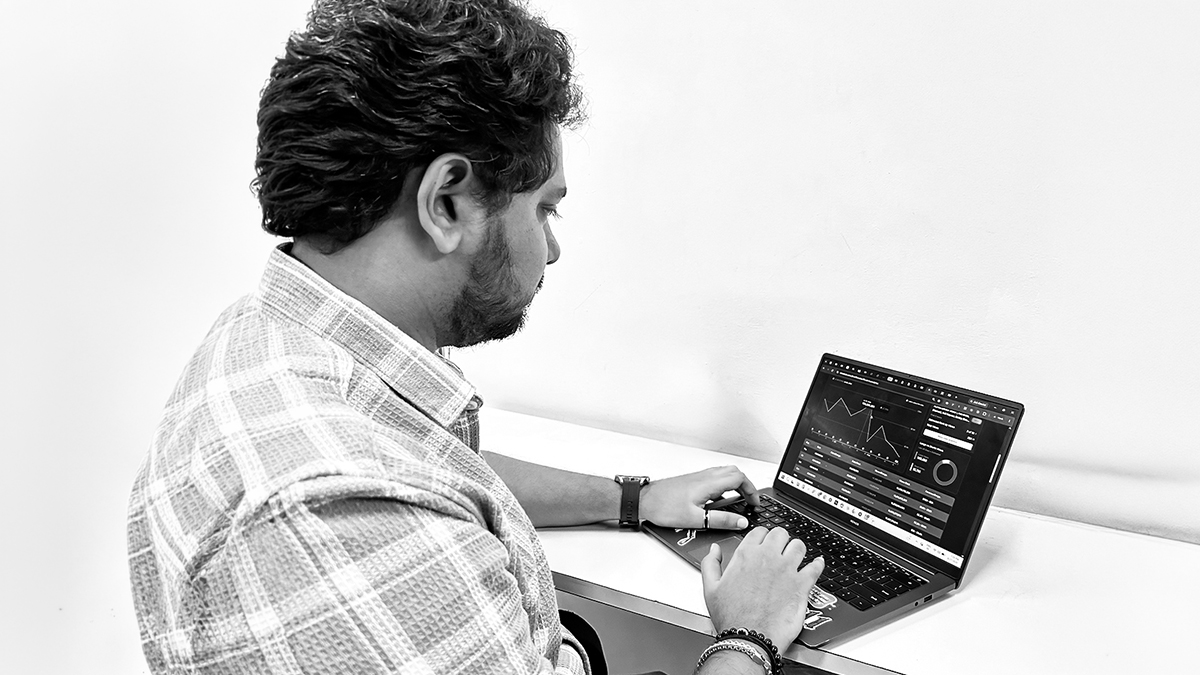
Measure in four layers, then change something specific.
Reporting that stops at a screenshot changes nothing. We separate the funnel into four layers because each fails differently and each has a different fix: weak impressions is a discovery problem, weak click-through is a packaging problem, early drop-off is an editing problem, and traffic that never converts is a positioning problem.
What we run
Every piece below is run by the same team against the same templates. You can take the whole system or the parts your team can’t hold at volume.
The craft that decides whether anyone stays.
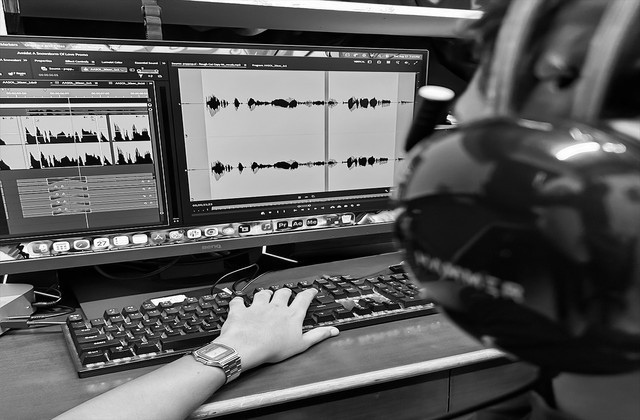
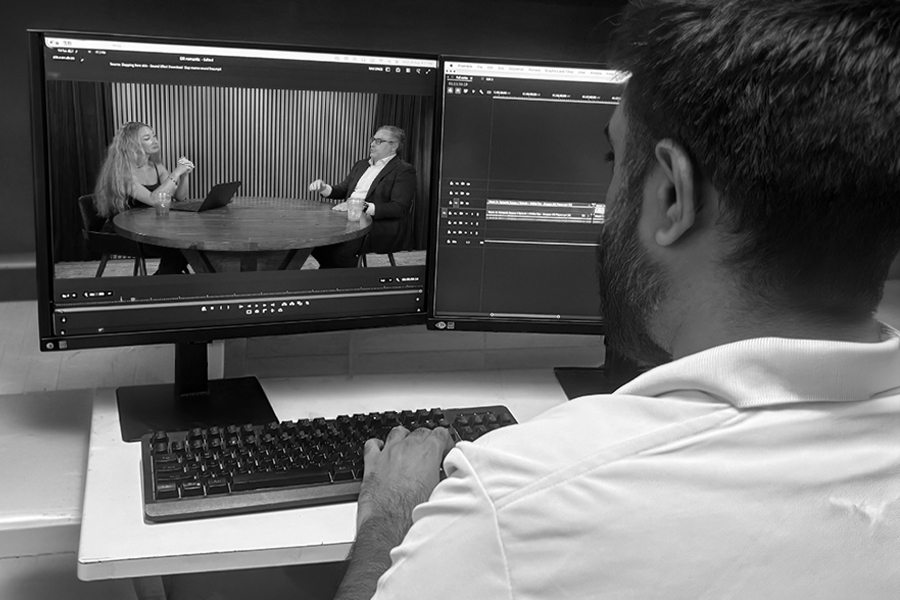
Multicam, cut speaker-aware, color and sound matched across every angle.
Cleaned, levelled and mastered so it sounds right on headphones and in a car.
Thumbnail and title designed as one decision, then tested as a pair.
One recording, many pieces and many markets.
Moments chosen for a reason, cut to what each platform actually rewards.
Open a second and third market using the languages already running in-house.
Published, searchable and measured every week.
Written for search engines and AI assistants as well as for listeners.
We keep running it week to week across YouTube and the whole social ring.
A monthly scorecard that ends in decisions, not a wall of screenshots.
Who it’s for
Whether you’re in New York, Toronto or London, the podcast is a growth channel for the business, not a hobby. You record consistently and the back end is the bottleneck. You want the episode, the clips and the packaging handled to a standard, on a calendar you can plan around.
Weekly or bi-weekly cadence, video-first
The show has to earn its budget. That means it’s measured against pipeline and brand search, it runs on a real content calendar, and someone owns it as their actual job.
Marketing-owned, reports to a number
Multi-show operations, large back catalogs and localization across markets. This is the work Cocoma has done longest: the studio’s channel and catalog operations were built at exactly this scale — 35,000+ videos produced and 12B+ organic views driven.
Multiple shows, shared production standard
Straight answer on price
From$2,500/month
You’re not buying editing hours. You’re buying a production line with a named producer on it, a documented process behind it, and an SLA you can build a publishing calendar around. That’s what it costs to run properly, and it’s why the number is on this page instead of behind a discovery call.
Quoted and invoiced in USD; GBP and CAD on request. The audit comes back with scope and price together — one document, no gauntlet.
Get a free podcast auditOutput
A weekly show running the complete system. This is deliverable volume at a full engagement. It isn’t a forecast of results, and it isn’t the entry tier. Your audit comes back with the scope that fits your cadence.
Monthly deliverables for a weekly podcast at a full engagement
| Deliverable | Volume | Detail |
|---|---|---|
| Full episodes | 4 | Multicam edit, audio master, captions, chapters and thumbnail |
| Platform-native clips | 48 | Roughly 12 per episode, reframed and captioned per platform |
| Thumbnails with A/B variants | 8 | Two packaging routes per episode, tested and reported on |
| Stories & carousels | Per calendar | Episode launch beats and evergreen pulls from the back catalog |
| Show notes, transcripts & newsletter | 4 sets | SEO-written notes, full transcript and newsletter draft per episode |
| Publishing | Full | YouTube, Instagram, TikTok, LinkedIn, Facebook and X |
| Growth scorecard | 1 | Four-layer review ending in decisions for the following month |
Straight talk
We’d rather lose the inquiry than take an engagement that can’t work. If any of these describe you, a freelance editor will serve you better and cost you far less.
Still reading and none of these fit? Then the audit will probably be worth your time.
Who you’re actually dealing with

Founder, Cocoma Digital
I started Cocoma in Mumbai in 2019 after a pitch meeting I was only supposed to sit in on. Seven years later the studio has produced 50,000+ videos and built 40M+ subscribers across the channels it runs.
Podcasts are where that same machinery is now most useful outside India, because a show isn’t an editing job, it’s an operation, and operations are the thing we have actually built.
Your show won’t be run by me. It will be run by a producer whose name you’ll know, against a documented process, to an SLA you agreed. That’s deliberate: a studio that only works when the founder is in the room isn’t a studio, it’s a bottleneck.
Get a free podcast auditWorking across time zones
Reviews, calls and approvals happen inside your working day. India evenings overlap the North American morning, Eastern and Pacific both, and India mornings overlap the UK afternoon. Production runs to the agreed SLA while you are offline, so you send a recording at the end of your day and the work has moved by the time you are back.
Quoted and invoiced in US dollars wherever you are, with GBP and CAD available on request. No per-hour meter — a monthly engagement with a defined scope, so the line item on your budget stays the same number every month.
Channels and social accounts stay in your ownership with access granted to us, never the other way around. Project files, templates and assets are yours and are handed over on request.
The room this runs from
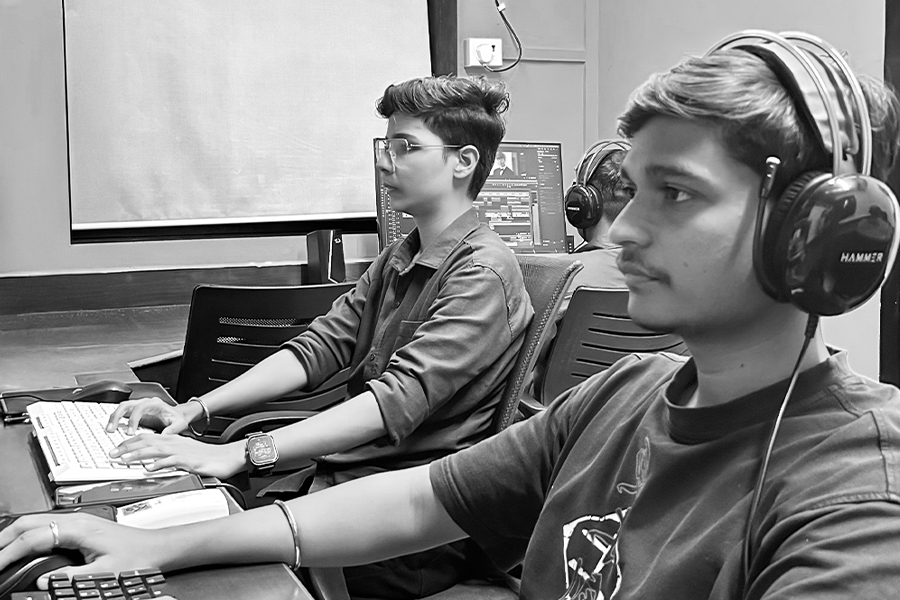
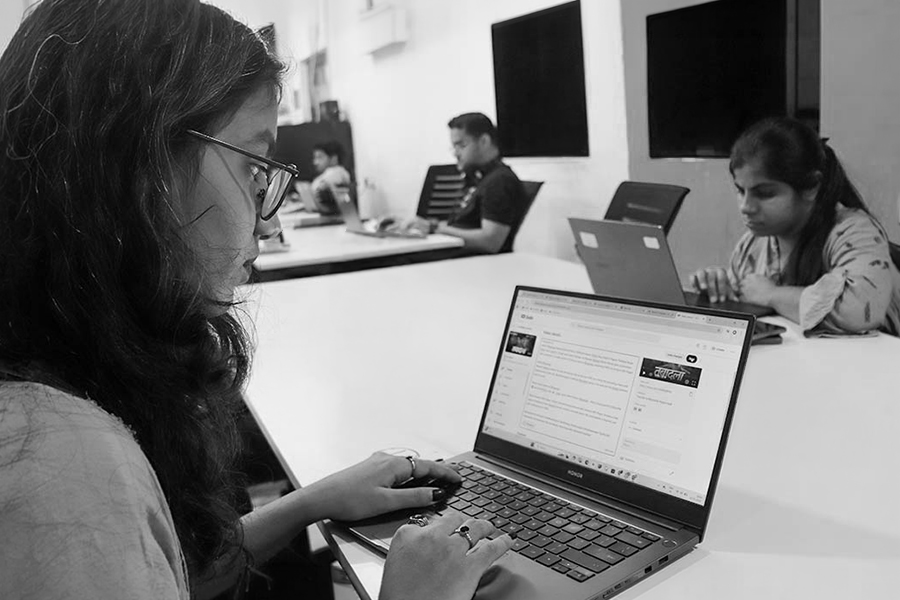
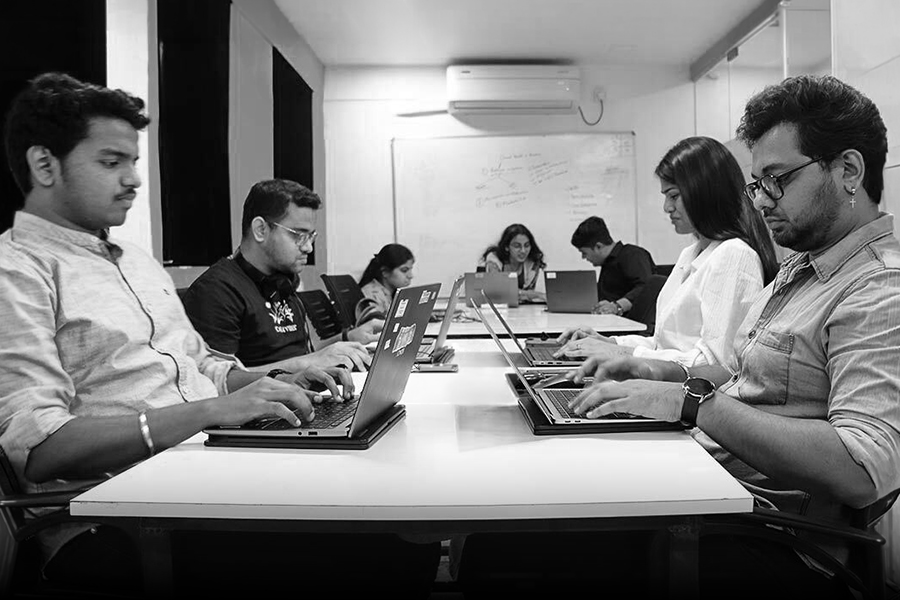
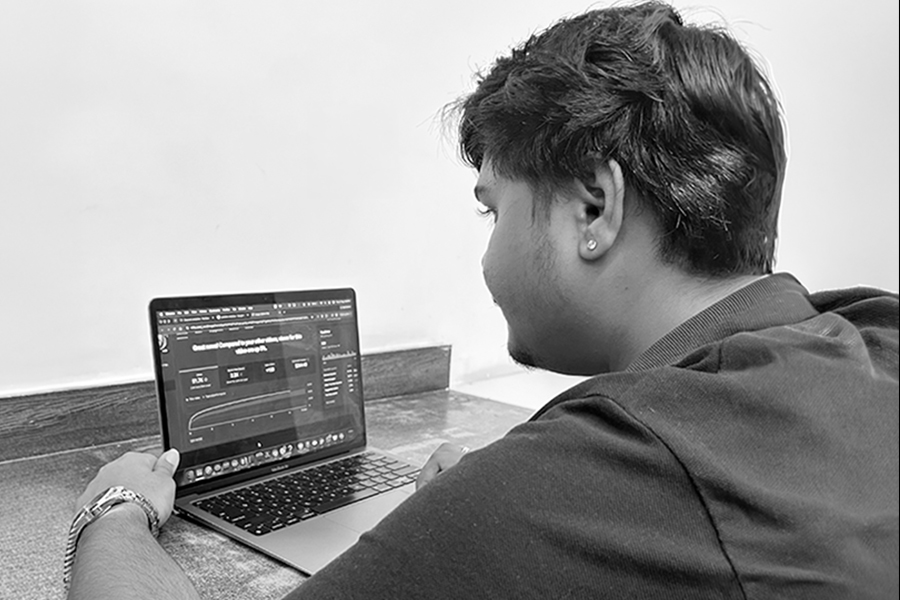
Your show is produced by a named team on the Cocoma floor in Andheri West, Mumbai — editors, designers, colorists, sound and channel operations under one roof. That’s what makes an SLA mean anything: there’s a bench behind it, not one contractor with a full inbox.
 The edit floor
 Retention-first editing
 Multicam, two speakers
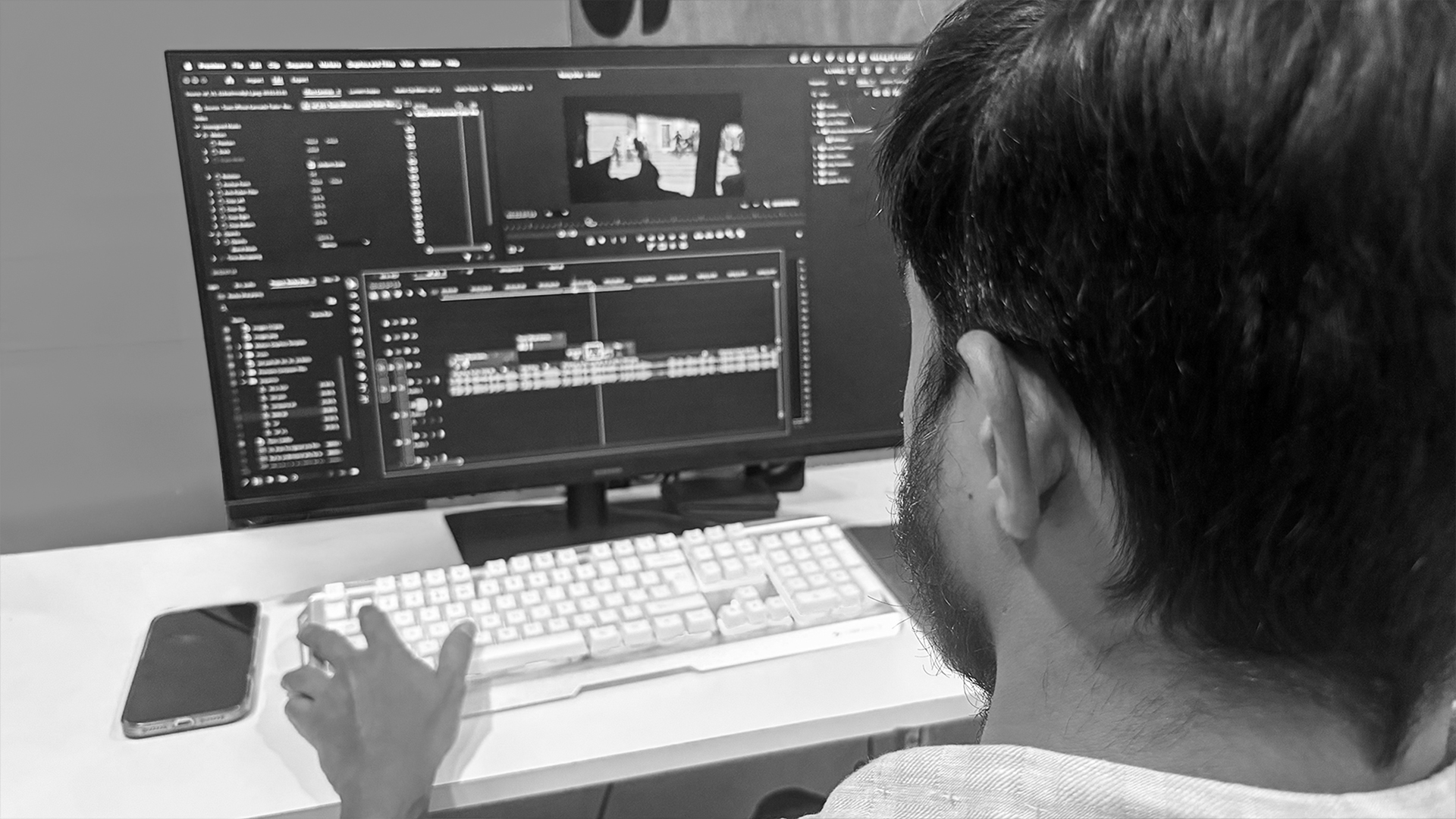
 Cut and review, side by side
 Audio and picture together
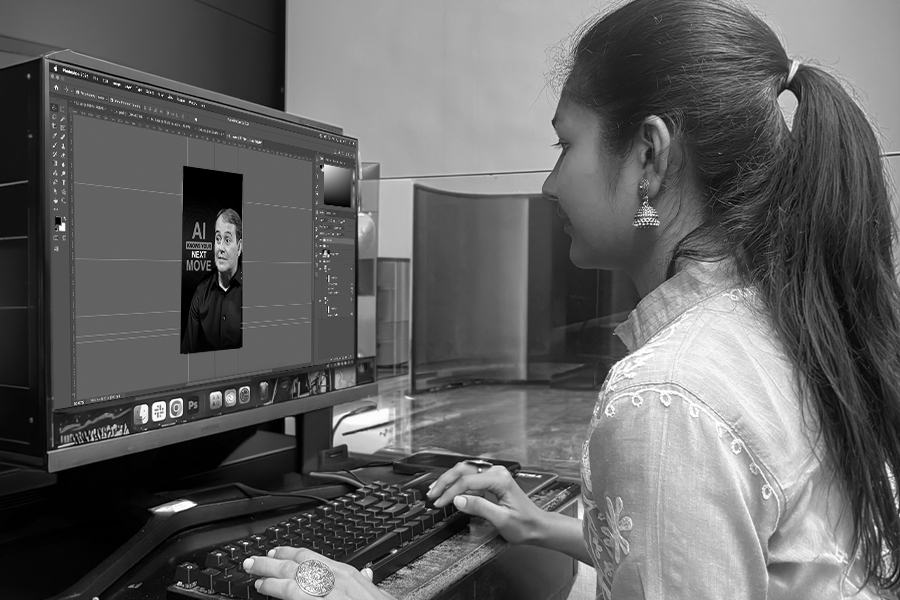
 Thumbnail and packaging design
How engagements run
We review the show as it stands — packaging, retention, publishing cadence, back catalog and where attention is being lost. You get the findings whether or not you work with us, along with scope and pricing for the shape that fits.
Strategy, show architecture, edit and thumbnail templates, naming conventions, publishing calendar and the baseline benchmarks we’ll measure against. This is the part most shows never had.
Production runs to an agreed turnaround SLA while the optimization loop runs monthly: read the four layers, change something specific, measure the change.
What we can show you
We don’t publish podcast case studies yet. Saying otherwise would be the easiest sentence on this page to write and the fastest one to get caught on.
What we can show you is the work the studio does publish, and we’ll be precise about how it transfers. The figures at the top of this page — 12B+ organic views, 50,000+ videos, 40M+ subscribers — are channel and catalog numbers built across seven years. They are not podcast metrics and we will not dress them up as podcast metrics. What carries across is the operating capability behind them: high-volume editing, packaging tested against click-through, multi-platform publishing, and localization across 20+ languages.
On a call we’ll walk you through that work and the exact process we’d run on your show.
Questions
Engagements start at $2,000 per month, quoted and invoiced in USD (GBP and CAD on request). Where a show lands above that depends on episodes per month, how many camera angles, clip volume per episode, and whether publishing, back-catalog work and localization are included. We publish the floor deliberately. Below $2,000 a month a freelance editor will serve you better than a production system, and we’d rather say so than sell you something that doesn’t fit. The free audit comes back with the scope and the number together.
Because the thing we sell is a system, not hours. A named producer, template build, packaging tests, a publishing operation and a monthly optimization loop have a fixed cost to stand up and run properly. Below that floor we would be delivering a worse version of what a good freelance editor already does well, at a higher price. The minimum is honesty about where this model starts working.
The studio is in Mumbai. India evenings overlap the North American working day, Eastern and Pacific both, and India mornings overlap the UK afternoon, so reviews, calls and approvals land inside your hours. Production runs to the agreed SLA while you are offline, which usually means you send a recording at the end of your day and the work has moved by the time you’re back. Everything is quoted and invoiced in USD, with GBP and CAD available on request.
Turnaround is agreed as an SLA before work starts and written into the engagement, so you can plan a publishing calendar around it instead of chasing us for updates. The SLA depends on format and volume; it’s set during the engine-build stage and then held.
Both. Audio-only shows get editing, mastering, notes, transcripts and audio-led clips. Video shows get everything audio does, plus multicam editing, thumbnails, packaging tests and the full short-form ring. We build video-first by default, because that’s where discovery now happens.
YouTube is a search and recommendation engine, not just a hosting platform. A podcast that lives only in audio apps depends almost entirely on people already knowing it exists. On YouTube, packaging and retention decide whether the platform shows the episode to people who have never heard of the show. That is the difference between a back catalog that compounds and one that sits still.
In four layers. Discovery: impressions and where traffic comes from. Packaging: click-through rate on thumbnail and title. Consumption: retention curve and average view duration. Business: subscribers, inquiries and sponsor conversations. We report on all four monthly and each report ends in specific decisions. We don’t promise view counts or subscriber numbers. Those are outcomes, not deliverables. What we commit to is output volume, turnaround, and a tested packaging and retention process.
You do, always. Channels and social accounts stay in your ownership with access granted to us, never the other way around. Project files, templates and assets are yours and are handed over on request. Nothing about the engagement is designed to make leaving difficult.
Yes. The model is built to run the parts a small team can’t hold at volume — packaging, clipping, publishing operations, localization — while the in-house editor keeps the main edit. The system matters more than who holds each seat.
It’s usually the fastest win available. Existing episodes already contain clip-worthy moments, and old packaging can be re-tested without recording anything new. The audit flags which back-catalog episodes are worth re-cutting or re-packaging first.
Send the show link through the audit form below. We review it and come back with findings, a recommended shape for the engine, and pricing for the scope that fits. No obligation attached to the audit.
Anil MahatoFounder, Cocoma DigitalA senior producer reviews every show.
Send the show link. We’ll review packaging, retention, publishing cadence and back catalog, then come back with what we’d change first, and what it would cost.